
For years, the outdoor furniture industry has been defined by predictable materials—teak, wrought iron, aluminum, and various synthetic wickers. But a new contender has entered the ring, promising performance that sounds almost too good to be true. Carbon fiber outdoor furniture is being touted as a lightweight revolution, offering strength, weather resistance, and a sleek, modern aesthetic that traditional materials struggle to match. Yet, as with any premium innovation, a skeptical question lingers: is this a genuine leap forward, or are we simply paying a premium for a clever marketing story?
To answer that, we have to step back and look at how the market operates. Most consumers don’t realize that the vast majority of sets available through big-box retailers and even boutique showrooms ultimately trace back to a single source. In fact, a significant portion of the world’s inventory is produced by a single outdoor furniture manufacturer in China, who supplies many wholesale outdoor furniture suppliers globally. This means that for most brands, the material difference comes down to design and finish, not fundamental engineering. Carbon fiber, however, is different. It requires specialized molding, high-grade resins, and advanced curing processes that are not standard in typical factories. That alone sets it apart.
But does that make it a better buy for your backyard? Let’s compare it against the tried-and-true options you’re likely to find in any outdoor furniture for sale section. The most common decision many buyers face is wicker vs aluminum patio furniture. Aluminum is favored for its rust-proof nature, light weight, and affordability. Wicker, on the other hand, offers a classic, warm look but often raises the question of durability. This naturally leads to the debate of wicker vs metal outdoor furniture, where metal generally wins on longevity but loses on comfort and aesthetic warmth. Carbon fiber seeks to split the difference: it’s as light as aluminum, yet stronger, and can be molded into intricate shapes that mimic organic wicker patterns without the risk of cracking or fading.
When you walk into a showroom or browse online for a patio table and chairs, you’ll notice weight is often a hidden factor. Heavy furniture feels premium, but it’s a nightmare to rearrange for parties or to store for winter. An outdoor dining set made of cast iron can withstand a storm, but moving it requires two people and a strong back. A comparable garden dining set in carbon fiber can often be lifted with one finger. For the elderly, or for homeowners who love to refresh their layout, this is a game-changer. Instead of settling for flimsy plastic or expensive, heavy teak, you get a middle ground that offers maneuverability without sacrificing structural integrity.
However, the price tag is where the “marketing hype” argument gains traction. A premium carbon fiber bistro table and chairs can cost three to four times more than a high-end aluminum equivalent. For the average shopper browsing garden furniture global listings, that premium is hard to justify unless they genuinely need extreme lightness or live in a coastal environment where salt spray destroys lesser metals. For most temperate climates, a well-made set of powder-coated aluminum or even a polywood dining set—which is made from recycled plastics and mimics wood—will last a decade or more with minimal care.
To understand the material landscape better, we need to dive into an outdoor furniture material comparison. At the base level, you have plastics and resins, then woods, metals, and synthetic wickers. When sellers advertise “resin wicker,” many buyers don’t know what is resin wicker made of—it’s typically a synthetic fiber made from polyethylene or HDPE, woven over an aluminum frame. Then there’s the distinction between pe wicker vs resin wicker, where PE (polyethylene) is the most common and affordable resin, while “resin wicker” might refer to a more durable, UV-stabilized PVC blend. Carbon fiber is neither. It’s a composite of carbon threads and epoxy resin, heated and cured under pressure. It doesn’t rot, doesn’t rust, and has a tensile strength higher than steel.
For commercial buyers, the question is more clinical. If you’re a hotel manager or a purchasing agent looking for wholesale outdoor dining sets, weight equals shipping costs. Carbon fiber’s light weight can reduce freight charges by up to 60% compared to cast aluminum or steel. This makes it an attractive proposition for large-scale projects, even if the unit cost is higher. Similarly, a property developer buying wholesale patio furniture for a new condo complex might choose carbon fiber for rooftop lounges where floor load is a structural concern. In these cases, the “revolution” is real and measurable.
Yet, for the everyday family shopping for a garden table and chairs set for their weekend BBQs, the longevity question remains critical. Many ask, what outdoor furniture lasts longest? Traditionally, the answer has been teak and wrought iron, with decades of proven performance. Synthetic materials like HDPE (used in polywood) are also celebrated for surviving sun, rain, and snow without fading. Carbon fiber is relatively unproven in the long-term UV exposure race. While the resin matrix can be treated with UV inhibitors, no carbon fiber outdoor set has been in the market long enough to guarantee a 20-year lifespan. This is where the hype becomes dangerous—marketing materials often imply permanence without the decades of field data that wood and metal enjoy.
For the budget-conscious, the search often starts with wholesale patio dining sets or looking for wholesale outdoor tables and chairs. These wholesale channels offer significant discounts, but carbon fiber is rarely found in these catalogs because the production costs are too high for mass discounting. Instead, you’ll find durable aluminum sets and resin wicker options. That tells you something about the market’s perception: carbon fiber is positioned as a luxury niche, not a mainstream value.
Let’s talk about versatility. A typical patio dining set includes a table and four to six chairs. Carbon fiber allows for sleek, cantilevered designs that would be unstable in heavier materials. It also enables intricate weaving patterns that can’t be achieved with metal. But is that worth the cost? For a modern urban balcony or a sleek rooftop bar, absolutely. For a sprawling suburban lawn? Probably overkill. That’s why manufacturers often promote carbon fiber as part of custom outdoor dining packages—you can choose your dimensions, colors, and finishes, which is a service rarely offered for standard aluminum or wicker lines.
Now, from a global supply chain perspective, the world’s leading manufacturers are based in regions with advanced composite experience. While the largest outdoor furniture manufacturer in China focuses on volume and traditional materials, a new wave of specialized composite factories in Southeast Asia and Europe are pushing carbon fiber into the mainstream. These suppliers are challenging wholesale outdoor furniture suppliers to rethink their catalogs. If you’re a retailer, adding carbon fiber can differentiate your showroom from the big-box stores that only offer metal and wicker.
But the real comparison often comes down to this: wicker vs metal outdoor furniture, when metal is aluminum and wicker is synthetic resin, both cost a fraction of carbon fiber. And both are highly durable. Aluminum won’t rust, and resin wicker won’t peel or rot. So the carbon fiber buyer is paying for weight reduction and a specific aesthetic—not necessarily durability. This is the crux of the marketing hype accusation. If you’re selling a $5,000 dining set that does the same job as a $1,500 aluminum set, you need a compelling story. And carbon fiber’s aerospace and automotive pedigree provides exactly that story.
For residential use, consider the practicalities. A garden dining set is exposed to pollen, bird droashes, spilled wine, and kids’ jumping on chairs. Carbon fiber’s non-porous surface is easy to clean, but so is powder-coated metal. The difference is that if you scratch carbon fiber, the repair is complex and expensive. If you scratch aluminum, you can live with it or touch it up with paint. That maintenance aspect is rarely highlighted in glossy brochures.
Let’s not forget the hospitality industry. Global outdoor furniture encompasses hotels, resorts, and theme parks. These venues care about staff fatigue. Lighter chairs mean waitstaff can stack and move them faster. That’s why you’ll see many high-end resorts adopting carbon fiber for their poolside and beachfront dining areas. It’s not for the guests; it’s for the operations. In that context, the investment makes logical sense. So when you see global garden furniture trends shifting toward high-tech materials, it’s often driven by commercial logistics, not consumer preference.
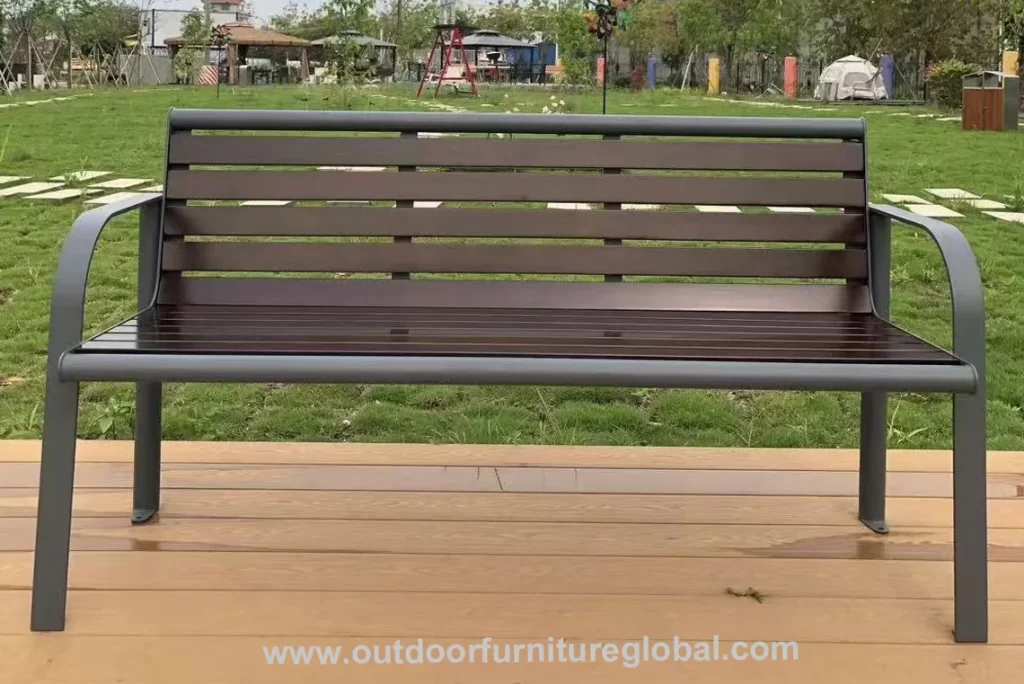
If we look at wholesale park benches, these are traditionally heavy-duty steel or recycled plastic. They need to withstand public abuse. Carbon fiber would be too expensive and too easily stolen for scrap value. So the revolution hasn’t touched public spaces yet. That’s a telling sign that the material is still a premium residential or commercial hospitality play, not a universal solution.
For those who entertain frequently, an outdoor dining set with carbon fiber frames is incredibly stable on uneven patios because you can adjust the level without exerting much force. And a bistro table and chairs that are ultra-light become portable accessories—you can move them from the deck to the lawn to the poolside within seconds. This flexibility is a genuine benefit that heavier sets can’t provide.
However, when buyers compare wholesale patio furniture options, they rarely have carbon fiber on their radar. They’re looking at price, warranty, and color options. This is where the “hype” wins for now. The average consumer doesn’t know what is resin wicker made of, let alone the differences in carbon fiber weaves. So they rely on brand stories. And stories are the oldest form of marketing.
To make an informed decision, ask yourself these questions: Do you move your furniture frequently? Do you live in a high-humidity or coastal zone? Is your style ultra-modern? If yes, carbon fiber might be worth the premium. If you’re simply looking for a durable, attractive set for weekend use, a polywood dining set or a high-quality aluminum and resin wicker set will serve you just as well for a fraction of the cost.
In terms of longevity, what outdoor furniture lasts longest among these? Teak leads, followed by HDPE plastics, then aluminum, then treated steel. Carbon fiber has the potential to outlast them all—but we lack the historical data to confirm it. So recommending it as a “lifetime” purchase requires a leap of faith.
Now, for retailers and wholesalers, the conversation is shifting. More wholesale outdoor dining chairs are being offered in carbon fiber finishes, but they’re usually special-order items. Stocking them is risky because they’re expensive and appeal to a narrow demographic. Meanwhile, wholesale outdoor tables in standard materials sell quickly and reliably. So the commercial adoption is slow but steady, driven by design-forward hotels and boutique properties.
Let’s circle back to the title: is it a lightweight revolution or marketing hype? The honest answer is both. It is a genuine engineering breakthrough—there’s no denying the strength-to-weight ratio. But for 90% of consumers, that breakthrough is overkill. They’re paying for a status symbol and a story. And there’s nothing wrong with that, as long as you’re aware of it. The revolution is real in aerospace, in automotive, and in high-end sporting goods. In your backyard? It’s a luxurious upgrade, not a necessity.
So if you’re browsing outdoor furniture for sale and spot a carbon fiber set that catches your eye, consider your actual needs. If you value lightness, modern design, and have the budget, go for it—you won’t be disappointed. But if you’re looking for the best value, a quality aluminum set or a polywood dining set from any reputable wholesale patio furniture supplier will give you decades of reliable enjoyment without the financial hangover.
In conclusion, carbon fiber outdoor furniture is neither a scam nor a panacea. It’s a specialized solution for a specific user—the design-conscious, the physically limited, or the commercial operator. For the mass market, traditional materials remain the smart, proven choice. The hype is real, but so are the benefits. As with any purchase, let your lifestyle and your budget be your guide, not the marketing copy.