
The allure of the Mediterranean—its sun-drenched coasts, rustic villas, and vibrant, leisurely lifestyle—has captivated the world for generations. This enchantment birthed a design philosophy that transcended geography: Mediterranean-style outdoor furniture. More than just outdoor furniture for sale, this style represents a century-long evolution, adapting to technological advances, material science, and the growing global outdoor furniture market, while steadfastly holding onto its soulful essence. Its journey from artisanal craft to a staple in global garden furniture collections is a story of resilience, adaptation, and enduring appeal.
The Origins: Craftsmanship and Local Materials (Early 20th Century)
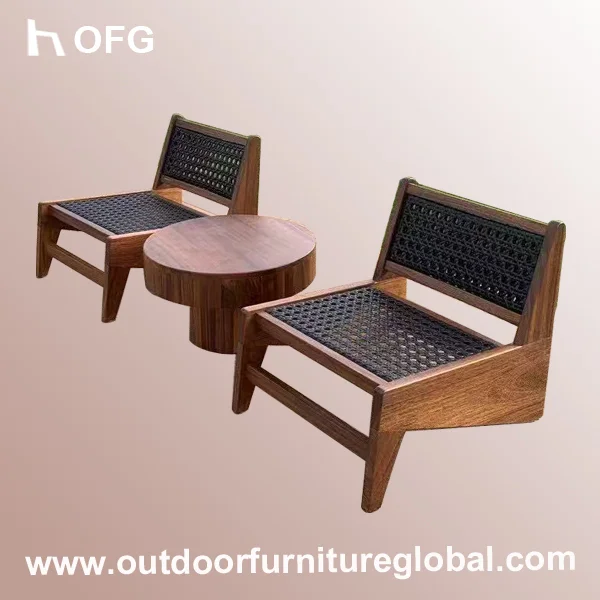
At the dawn of the 20th century,Mediterranean outdoor furniture was not an industrial product but a local necessity. In coastal villages from Italy to Greece and Spain, furniture was born from immediate surroundings. Artisans forged sturdy patio table and chairs from wrought iron, hand-twisting it into intricate scrolls reminiscent of wrought-iron balcony railings. Wood, often locally harvested oak or pine, was carved into robust garden table and chairs sets, treated with basic oils for weather resistance. The concept of a wholesale patio furniture market was nonexistent; each piece was unique, made for a specific courtyard or terrace. Seating often included simple wholesale garden benches, while dining centered on large, familial outdoor dining sets designed for alfresco gatherings. Durability was inherent but maintenance was constant, a world away from today’s low-maintenance polywood dining sets.
Mid-Century Modernization: Industrialization and Formalization (1950s-1970s)
Post-World War II prosperity and the rise of tourism formalized the style.The iconic “bistro” look crystallized with small-scale bistro table and chairs becoming synonymous with European café culture. Industrial manufacturing allowed for greater consistency and distribution. Wrought iron remained popular, but aluminum made its entrance as a lighter alternative. This era saw the nascent stages of a global outdoor furniture supply chain, with designs being reproduced for broader audiences. The garden dining set became a desirable commodity for the suburban home. However, the core materials still faced challenges: iron could rust, and wood required seasonal care, sparking the eternal debate precursors to wicker vs metal outdoor furniture and outdoor furniture material comparison.
The Material Revolution: Rise of Synthetics and Global Supply (1980s-2000s)
The late 20th century brought a paradigm shift with synthetic materials.The development of all-weather resin wicker, particularly PE wicker vs resin wicker (often referring to the same polyethylene material), was revolutionary. What is resin wicker made of? It’s typically high-density polyethylene (HDPE) strands woven over rust-proof aluminum frames. This material offered the classic, textured look of natural rattan but with unparalleled weather resistance, directly addressing what outdoor furniture lasts longest. This innovation dovetailed with the rise of outdoor furniture manufacturer in China, which scaled production and made sophisticated design accessible worldwide. For wholesale outdoor furniture suppliers, this meant being able to offer extensive collections of wholesale patio dining sets and wholesale outdoor dining chairs that were stylish, durable, and cost-effective. The market for wholesale outdoor tables and sets exploded, catering to hotels, resorts, and retailers globally. Consumers could now easily find a complete patio dining set that required minimal upkeep.
The 21st Century: Sustainability, Customization, and Informed Choice
Today,Mediterranean style thrives in an era of informed consumers and global connectivity. The style has diversified, embracing clean lines and minimalist frames alongside traditional ornate designs. Sustainability has become crucial, with recycled plastics used in polywood dining sets and eco-conscious sourcing. The demand for custom outdoor dining solutions has grown, allowing homeowners to tailor size, finish, and configuration.
The modern buyer, supported by vast online information, engages in detailed outdoor furniture material comparison. The debate of wicker vs aluminum patio furniture is nuanced; while aluminum frames are lightweight and rust-proof, modern synthetic wickers are designed for longevity. Similarly, understanding PE wicker vs resin wicker (essentially the same) helps buyers choose quality. The quest for what outdoor furniture lasts longest often leads to powder-coated aluminum, teak, or high-end synthetic wickers.
The supply chain is now fully developed. A garden furniture global marketplace exists, where a designer in Europe might specify a piece produced by an outdoor furniture manufacturer in China and sold through wholesale outdoor furniture suppliers in North America. This network provides everything from wholesale outdoor dining sets for commercial projects to wholesale park benches for public spaces that carry a Mediterranean flair.
Conclusion: An Enduring Legacy
The century-long evolution of Mediterranean outdoor furniture is a testament to its timeless design language.It has successfully transitioned from localized handicraft to a major segment of the global garden furniture industry. By embracing material innovations like weather-resistant resins and metals, it has answered the modern demand for beauty with brawn. For businesses, from wholesale outdoor furniture suppliers to retailers, and for homeowners seeking the perfect outdoor dining set, understanding this history is key to appreciating the value, durability, and timeless appeal of furniture that brings a touch of Mediterranean dolce vita to any corner of the world.