
The concept of home and commercial spaces is undergoing a quiet revolution. Moving beyond static, single-function items, the future lies in adaptability, personalization, and intelligent design. At the forefront of this shift is magnetic modular furniture—a system that transcends traditional construction to offer unparalleled freedom. This innovation is not confined to living rooms; it is poised to radically transform outdoor dining sets, patio table and chairs, and even heavy-duty commercial outdoor furniture, heralding a new era of dynamic space design.
From Fixed to Fluid: The Core Principle of Magnetic Modular Systems
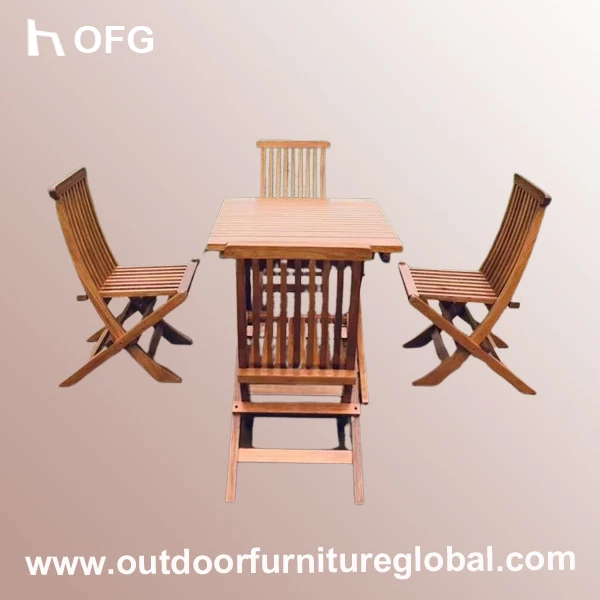
Traditional furniture, whether a cherished wooden park bench or a sturdy metal outdoor dining set for 8, is defined by its permanence. Magnetic modular furniture dismantles this constraint. At its heart are units or panels equipped with high-strength, integrated neodymium magnets. These components connect, stack, and reconfigure with a simple click, forming everything from a cozy small outdoor dining set for 4 to expansive sectional seating or versatile workstations.
The true genius lies in the “universal joint” potential of the magnetic interface. Imagine a base frame that can accept different tabletops: one day it’s a sleek surface for a bistro table and chairs setup on your balcony, the next, it becomes a round table for an outdoor dining set for 4. The same foundational modules for a polywood dining set could be rearranged to form a sun lounger or a side table. This interoperability challenges the very need for separate garden table and chairs sets, consolidating multiple functions into one intelligent system.
Engineering the Connection: Design and Manufacturing Insights
The design process for magnetic modular furniture is a fascinating blend of industrial design and precision engineering. It begins with defining the “ecosystem”—the core shapes (cubes, planks, panels) and their connection protocols. Advanced CAD software is used to model not just form, but magnetic flux paths, ensuring connections are secure, safe, and perfectly aligned. For outdoor furniture manufacturers, especially those like a leading outdoor furniture manufacturer in China, this demands rigorous testing for environmental stress.
Manufacturing leverages CNC machining and injection molding to produce components with micron-level accuracy, as the magnet housings must be flawless. The magnets themselves are encapsulated in stainless steel or high-grade polymer casings to prevent corrosion—a critical consideration for global outdoor furniture destined for various climates. The assembly process is streamlined: components are often designed for tool-less, user-friendly connection, empowering the end-user to become the co-creator.
This manufacturing shift impacts the entire supply chain. Wholesale outdoor furniture suppliers and wholesale garden benches providers may increasingly stock modular components rather than finished products, reducing logistics volume and inventory complexity. A park bench company could offer a core in-ground post system (in ground park bench) with a variety of magnetic bench tops, from classic metal park benches to warm wooden park benches, allowing for easy style updates in public spaces.
Material Science Meets Aesthetic Freedom: Durability and Style
The modular magnetic framework is agnostic to cladding materials, unlocking endless aesthetic possibilities. This is where the outdoor furniture material comparison becomes highly relevant for consumers.
For outdoor applications, durability is paramount. The system seamlessly integrates with top-performing materials:
— Polywood & HDPE Lumber: A prime choice for a lasting polywood dining set. It offers the look of wood without maintenance, is impervious to moisture, and is ideal for custom outdoor dining configurations.
— Advanced Synthetic Wickers: The debate of wicker vs aluminum patio furniture often centers on aesthetics vs. strength. With modular systems, you can have both. PE wicker vs resin wicker is a key consideration; high-density polyethylene (PE) wicker is often preferred for its UV resistance and flexibility, making it perfect for wicker vs metal outdoor furniture comparisons where a softer look is desired. What is resin wicker made of? Typically PVC or PE, with modern PE being more environmentally stable and durable—key for what outdoor furniture lasts longest.
— Powder-Coated Aluminum & Steel: For a modern, heavy-duty commercial outdoor furniture feel, aluminum frames are lightweight and strong. Steel, used in metal park benches and heavy-duty park bench designs, offers supreme strength for high-traffic public areas.
The ability to mix materials within one system is groundbreaking. A homeowner could have a powder-coated aluminum base for their patio dining sets with interchangeable tabletops: a polywood slab for daily use and a granite top for entertaining.
Transforming Markets: From Residential Patios to Global Gardens
The implications for consumers and businesses are profound. For the homeowner, it means solving the puzzle of limited space. A single set of modules can yield a small outdoor dining set for 4, a pair of lounge chairs, and a coffee table, maximizing a compact patio. The search for the best outdoor dining sets for 4 evolves into selecting the most versatile modular ecosystem.
For the commercial sector—restaurant furniture procurers, hoteliers, and city planners—the benefits are operational and financial. A cafe can quickly reconfigure its outdoor dining set from intimate bistro table and chairs pairs to large group setups. Municipalities purchasing used commercial park benches for sale or new wholesale park benches could invest in modular systems where only damaged sections need replacement, reducing long-term costs. The global garden furniture market shifts from selling disposable items to providing upgradable, adaptable systems.
Furthermore, the model enables true custom outdoor dining and seating solutions. Through digital platforms, customers could design their ideal configuration, which is then fulfilled from a catalog of standardized modules by wholesale outdoor furniture suppliers, blending mass production with personalization.
Conclusion: A Sustainable and Personal Future
Magnetic modular furniture represents more than a novelty; it is a logical step towards sustainable, user-centric living. It reduces waste through longevity and repairability, democratizes design, and responds fluidly to our changing needs. As this technology matures and enters the mainstream—available through retailers from specialized park bench companies to large outdoor furniture for sale platforms—it promises to redefine our relationship with the objects that fill our homes, gardens (garden furniture global), and cities. The future of furniture is not fixed; it is magnetic, modular, and full of infinite possibility.