
The allure of a beautifully furnished patio or garden is undeniable. A comfortable outdoor dining set or a cozy seating area becomes an extension of our living space. However, as we shop for outdoor furniture for sale, an invisible health concern often goes unchecked: formaldehyde emissions. This volatile organic compound (VOC) is a common binder and preservative in many composite materials and can off-gas into the air, potentially causing respiratory irritation and other health issues with prolonged exposure. For both residential consumers and wholesale patio furniture buyers, understanding which materials carry higher risks and how reputable outdoor furniture manufacturer in china and worldwide ensure safety is crucial. This exploration is not just about aesthetics or durability, often highlighted in debates like wicker vs aluminum patio furniture or pe wicker vs resin wicker, but fundamentally about the air quality in our personal outdoor havens.
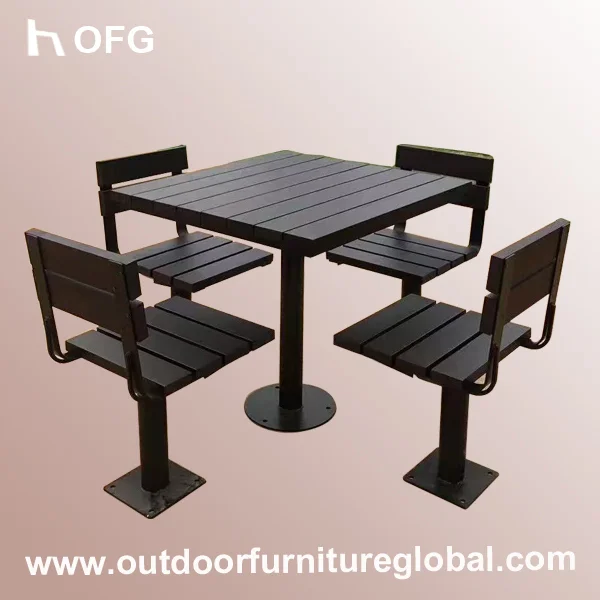
The core of the issue lies in the materials. When conducting a thorough outdoor furniture material comparison for safety, several common categories require scrutiny.
- Laminated Woods and Composite Board: Often used in the construction of tabletops or enclosed sections, these pressed woods (like particleboard or MDF) are traditionally bound with urea-formaldehyde (UF) resins. They are a primary source of emissions, especially if not properly sealed. This is a critical consideration when selecting a patio table and chairs or a garden dining set that incorporates such elements. Reputable manufacturers for global outdoor furniture markets now use ultra-low-emitting UF resins or alternative binders, but vigilance is necessary, particularly with lower-cost offerings.
- Certain Textiles and Cushion Foams: While we focus on frames, the fabrics and foams in cushions can also contain formaldehyde-based treatments for wrinkle or stain resistance. This applies to all-inclusive patio dining sets and loungers. Asking suppliers about the compliance of their textiles is a key step.
- Finishes and Coatings: The paints, stains, and varnishes applied to wood or metal furniture can be sources of VOCs, including formaldehyde. Powder-coating on aluminum furniture, for instance, is generally a safer, low-VOC finish.
The conversation around material safety directly intersects with the popular question: what outdoor furniture lasts longest? Durability and low emissions are not mutually exclusive; in fact, they often align in high-quality products. This is where material choice becomes paramount.
· Solid Wood (Teak, Eucalyptus, Acacia): Naturally low in formaldehyde, especially if finished with natural oils. Durability is high, aligning with longevity.
· Marine-Grade Polymer (Polywood, HDPE): A leader in safety and longevity. What is resin wicker made of when it’s high-quality? Often, it’s HDPE (high-density polyethylene), a plastic resin that emits negligible VOCs. A polywood dining set is typically made from recycled HDPE and is inherently low-risk, extremely durable, and low-maintenance.
· Powder-Coated Aluminum: The aluminum frame itself poses no risk. The safety depends on the powder coat finish, which when properly cured, is inert and highly durable, making it a top contender in the wicker vs metal outdoor furniture debate for both style and safety.
· Synthetic Wicker (PE vs. Resin): Understanding pe wicker vs resin wicker is key. PE (Polyethylene) wicker is essentially HDPE, a safe and durable material. “Resin wicker” is a broader, sometimes vague term that can refer to lower-quality plastics or composites that may use different binders. Always specify PE wicker for assurance.
For global garden furniture supply chains, rigorous testing is the benchmark for trust. Reputable outdoor furniture manufacturer in china and elsewhere serving wholesale outdoor furniture suppliers adhere to international standards like:
· CARB Phase 2 (California Air Resources Board): A stringent U.S. standard limiting formaldehyde emissions from composite wood products.
· EPA TSCA Title VI: The federal standard in the U.S., aligned with CARB.
· E1 / E0 European Standards: Classifying emission levels, with E1 being a common market requirement and E0 representing ultra-low emissions.
These tests involve placing material samples in a controlled environmental chamber and measuring the formaldehyde concentration in the air over time. For a wholesale outdoor dining sets buyer procuring hundreds of units for a hotel chain, requesting these test reports from the manufacturer is a non-negotiable part of due diligence. This applies equally to wholesale garden benches for public parks or wholesale outdoor dining chairs for restaurant terraces.
The rise of custom outdoor dining solutions also brings a note of caution. While customization offers design freedom, it necessitates clear communication with the fabricator about the materials and finishes to be used, ensuring they meet low-emission standards.
So, how does a consumer or a garden furniture global procurement agent navigate this landscape?
- Prioritize Material: Choose inherently low-emission materials like solid, FSC-certified hardwoods, marine-grade HDPE (Polywood), and powder-coated aluminum. When considering a bistro table and chairs or a full garden table and chairs set, inquire specifically about the core materials.
- Ask for Certifications: Demand proof. Request test reports (CARB Phase 2, EPA TSCA Title VI, EN Standards) from the seller, whether it’s a retailer or a wholesale outdoor furniture suppliers.
- Trust Your Senses (Initially): While not a test, a strong, pungent chemical smell upon unboxing new furniture is a red flag. Properly manufactured, compliant furniture should have a minimal odor that dissipates quickly in a well-ventilated area.
- Ventilate: Regardless of claims, allow new furniture to air out outdoors for several days before regular use.
- Choose Reputable Suppliers: Establish relationships with established wholesale outdoor furniture suppliers or manufacturers known for transparency. Their business depends on consistent quality and safety for large-scale clients, from those needing wholesale outdoor tables to those sourcing wholesale patio dining sets.
In conclusion, creating a beautiful and healthy outdoor space requires looking beyond style and immediate cost. The discourse around wicker vs aluminum patio furniture or pe wicker vs resin wicker must include material composition and emissions. By understanding the risks associated with certain composite woods and finishes, insisting on proper formaldehyde emission testing documentation, and opting for inherently safer materials from conscientious outdoor furniture manufacturer in china and global partners, we ensure our outdoor sanctuaries are not only stylish and durable but also safe for every meal, conversation, and moment of relaxation. Whether you are buying a single garden dining set or engaging a wholesale outdoor furniture suppliers for a major commercial project, an informed approach to material safety is the true foundation of long-term enjoyment and well-being.