
In today’s era of pursuing sustainable living, solar-powered outdoor furniture is becoming a new favorite in outdoor lifestyles with its innovative “black tech” design. This furniture not only beautifies our yards, parks, and public spaces but also integrates solar technology to achieve dual functions of lighting and charging, offering users unprecedented convenience and eco-friendly experiences. This article delves into the design principles, advantages, and practical applications of solar-powered outdoor furniture, while cleverly incorporating relevant keywords such as “outdoor leisure furniture,” “solar charging benches,” and “eco-friendly outdoor design” to help readers fully understand the groundbreaking progress in this field.
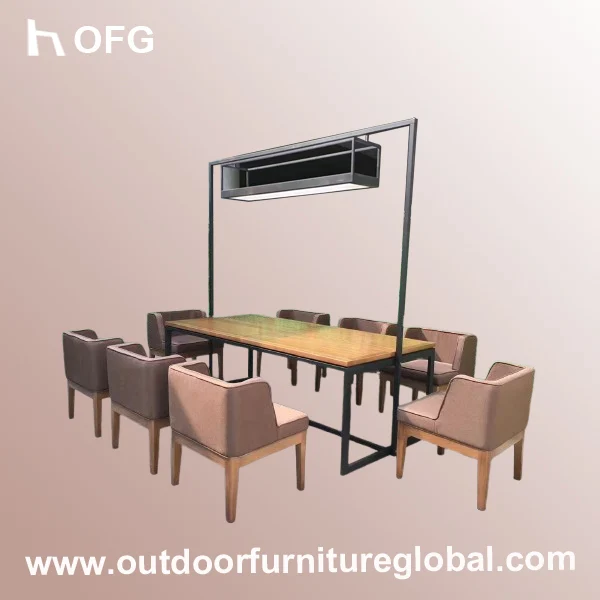
The core of solar-powered outdoor furniture lies in its intelligent integration system. It typically uses high-efficiency solar panels embedded into the surfaces or structures of furniture, such as benches, tables, or umbrellas. These panels absorb sunlight during the day, convert solar energy into electricity, and store it in built-in batteries. When night falls, the furniture automatically activates LED lighting systems, providing soft and lasting illumination that creates a safe and cozy outdoor atmosphere. Additionally, many designs come equipped with USB charging ports, allowing users to charge devices like smartphones and tablets anytime, greatly enhancing the convenience of outdoor activities. This “lighting + charging” black tech design not only embodies the perfect fusion of technology and daily life but also highlights the future trend of “smart outdoor furniture.”
From a technical perspective, the black tech design of solar-powered outdoor furniture involves multiple innovative elements. First, the efficiency of solar panels continues to improve, with some high-end products now achieving over 20% energy conversion rates, ensuring stable operation even on cloudy days or in low-light conditions. Second, the choice of materials is crucial, often using durable, waterproof options like “outdoor aluminum furniture” or “recycled plastic furniture” to withstand weather erosion and extend lifespan. Moreover, intelligent control systems, through sensors and app connectivity, enable features like automatic dimming and remote monitoring, allowing users to easily manage energy usage. For example, a “solar-powered outdoor sofa” might include motion sensors that only turn on the lighting when human activity is detected, thereby saving energy. These designs not only enhance functionality but also reinforce the sustainable concept of “eco-friendly outdoor furniture,” reducing reliance on traditional power grids and lowering carbon footprints.
The advantages of solar-powered outdoor furniture are clear. Environmentally, it utilizes renewable energy, reducing fossil fuel consumption and aligning with global green trends. According to statistics, using solar-powered outdoor furniture can save hundreds of kilowatt-hours of electricity annually, equivalent to reducing hundreds of kilograms of CO2 emissions. Economically, while the initial investment may be higher, it significantly cuts electricity costs in the long run, especially for “public space furniture” like park benches or plaza facilities, saving costs for municipal management. In terms of user experience, this furniture offers a seamless outdoor leisure experience, enabling users to charge electronic devices while enjoying nature, making it ideal for family gatherings, camping, or commercial events. Keywords like “solar patio furniture” and “outdoor charging solutions” are naturally integrated here, emphasizing its versatility.
In terms of application scenarios, solar-powered outdoor furniture has widely penetrated various fields. In home yards, “solar outdoor table and chair” sets not only serve as leisure areas but also provide lighting at night, enhancing safety. In public parks, “solar benches” with charging functions have become popular choices for visitors, particularly in urban greening projects, where they beautify the environment and promote community interaction. Commercial venues such as hotel terraces or café outdoor areas are increasingly adopting this smart furniture to enhance customer experiences. For instance, some high-end “solar umbrellas” integrate wireless charging pads, allowing users to charge devices simply by placing them on the surface, without extra cables. This innovative design meets the modern demand for convenient living and drives the rapid growth of the “outdoor lighting furniture” market.
In conclusion, solar-powered outdoor furniture, with its black tech design of lighting and charging, is leading a transformation in outdoor lifestyles. It is not only eco-friendly and economical but also highly practical. As technology advances, we can expect to see more intelligent and personalized products in the future. As consumers, choosing such furniture is not just a fashion statement but a contribution to a sustainable future. Let’s embrace this innovation and work together to create greener, smarter outdoor spaces.